Author Archives: David Watkins

Bent but Not Broken

A drive along local roads on a very snowy day found me stopping by this stand of trees. The weight of the snow had bent most of the branches almost to the ground but had not broken any at this point. The trees and snow laden branches in the foreground slightly obscured the forest behind. The image seemed perfect to include in the May 2021 gallery show: “Seeing the Forest for the Trees”.

Trees have been a subject of my photographic work for as long as I’ve been using a camera. I’ve tended to focus on the fall season for it’s colors and textures and primarily in Acadia National Park. However, this particular winter day created a perfect situation for working outside my comfort zone-literally and figuratively.

Aspens in Transition, 10/2008, Acadia National Park

I’ve been going to Acadia National Park since the fall of 2004 to photograph the foliage. Trees have been a huge part of my photographic interest since I first picked up a camera. Each year I go, I have a vision in my mind as to what and how I will be able to capture what mother nature offers in the way of fall color. She never disappoints even though the depth and range of color can vary greatly from year to year. For me, this image represents the transition most trees go through from spring and summer green to deep fall color.

“It’s not what you look at that matters, It’s what you see.” Henry David Thoreau

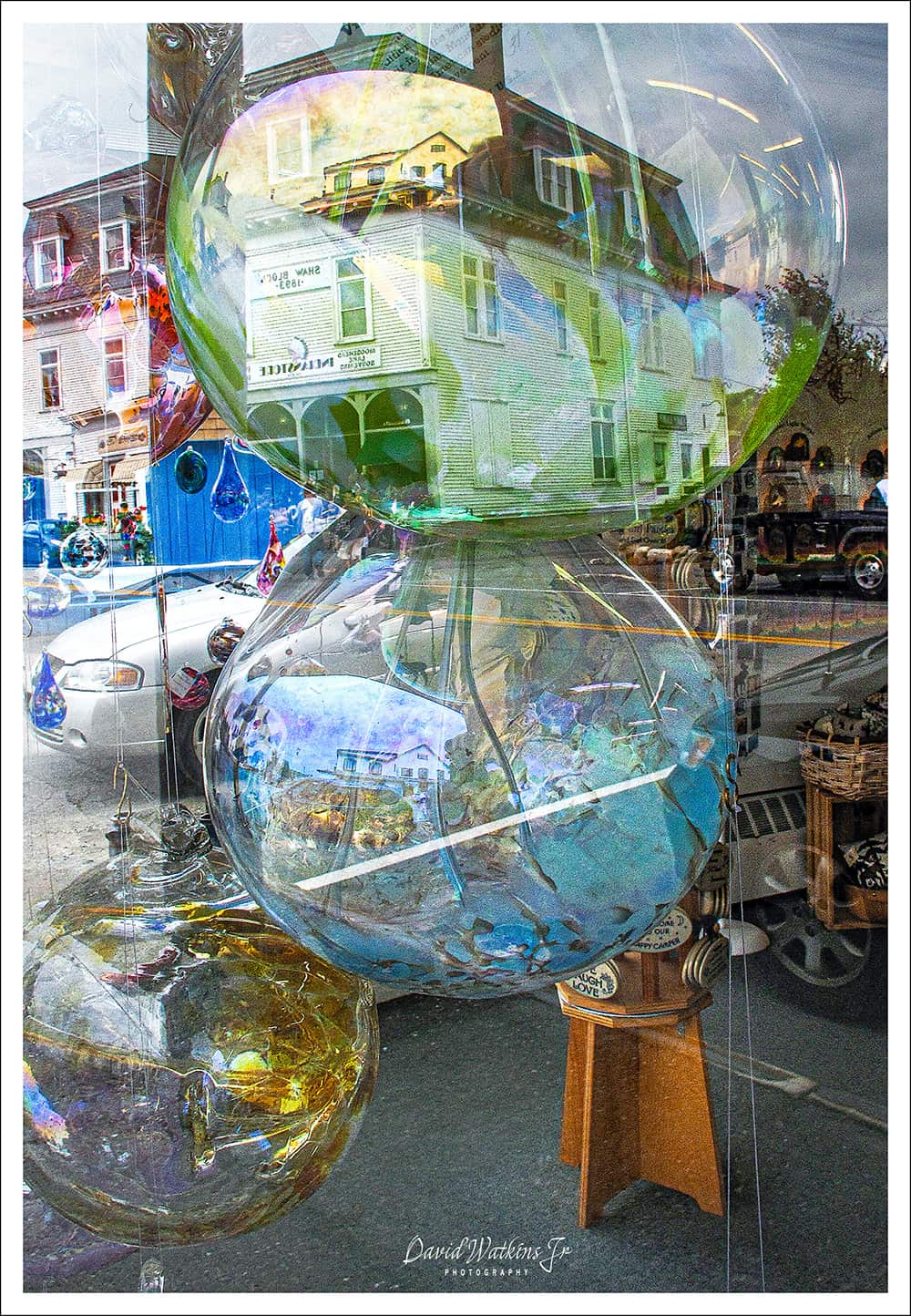
Tourist Trap and Reflection

Not a normal subject for me but I could not resist the multiple images in the window. Hard to tell what is real and what is reflected or magnified. We had gone to Moosehead Lake, ME from Bar Harbor and Acadia National Park to visit friends. This image was taken in Greenville, ME not far from their lake house. So, while not a normal subject for me, it does represent my life long interest in all things “graphic”.

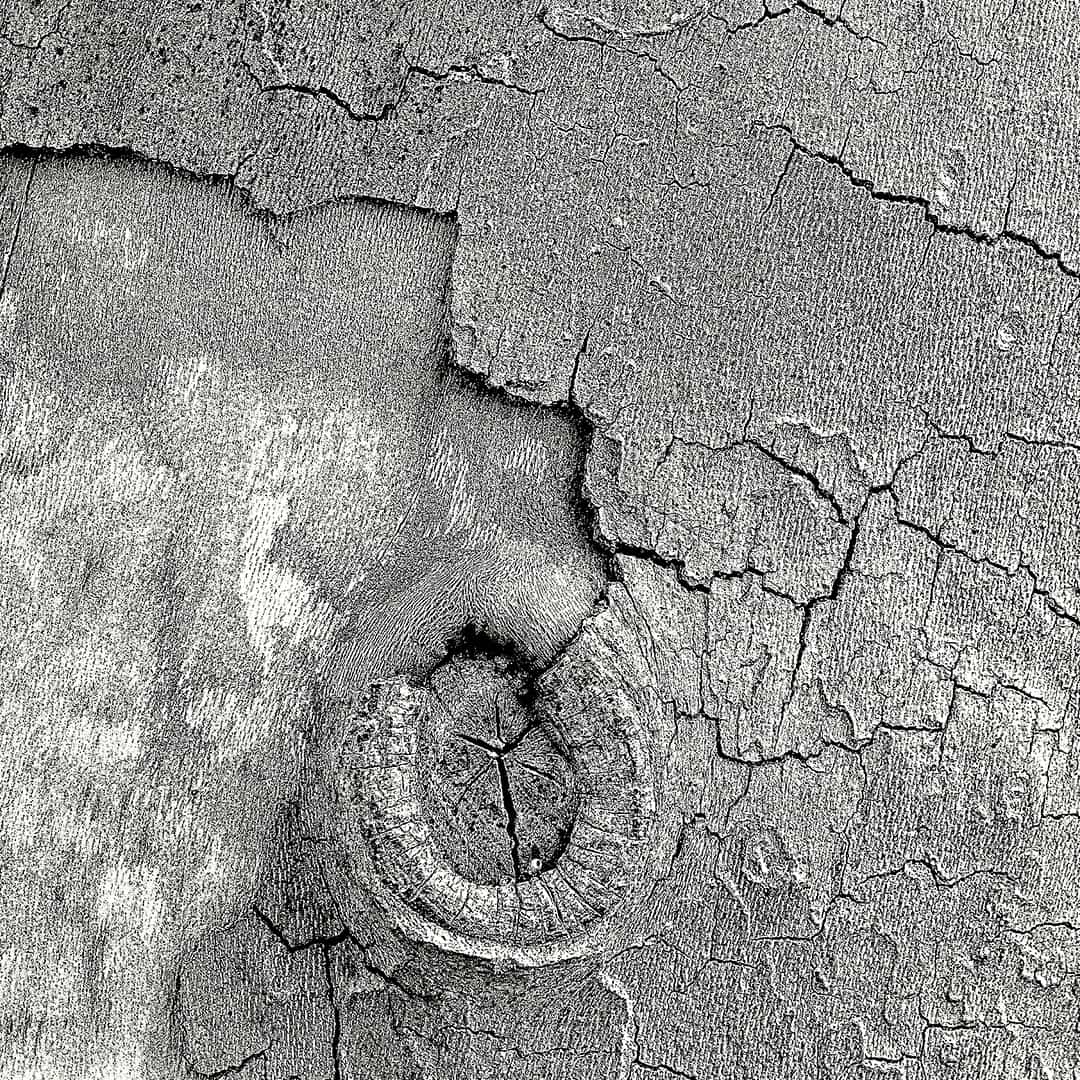
“Monotone, Duotone,Tritone

The images in this series are from a new book being published in late November. They represent a variety of images that I’ve photographed over the years but avoided using or showing. While working on a previous book and slide presentation for a 2020 July show with Jan Kather, I ran across a series of images that prompted new processing. While mostly working in color with my botanical images, converting these to a form of black and white, or monochrome images created the portfolio for a new book: “Monotone, Duotone, Tritone”. Clearly they do not fit my usual botanical subject matter-rather, they represent my life long fascination with graphic design.

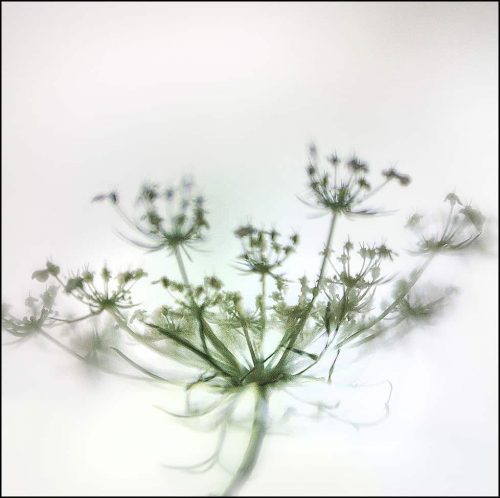
“Daucus carota”

For the past 20 years, my fine art photography has been predominately botanicals or landscapes in color.   But, while searching for images for an earlier book, “In The Style Of”, I started to run across random, more abstract photos that I had processed in a monochromatic, abstract style. Some of those images became new favorites and will appear in a new book: ” Monotone, Duotone, Tritone” to be published in late October, 2020.

Many of those images have never seen the light of day but now seem worthy of additional attention and processing by pushing the limits of the abstract nature of the original color image, converting it to black and white, removing content and/or adding texture.

H.Vincero, “In The Style Of”

This image titled “Vincero” is one of many I’ve made over the years of the daylilies in my own perennial garden. While it is not one of the photos featured in my new book “In The Style Of”, it has been processed in the same manner. Photographed against a dark background and edited slightly for contrast, then transferred to Photoshop where texture is added with blending modes.. The effort is meant to give a contemporary look to the style of the 16th and 17th Century floral painters.

“Decline and Decay”

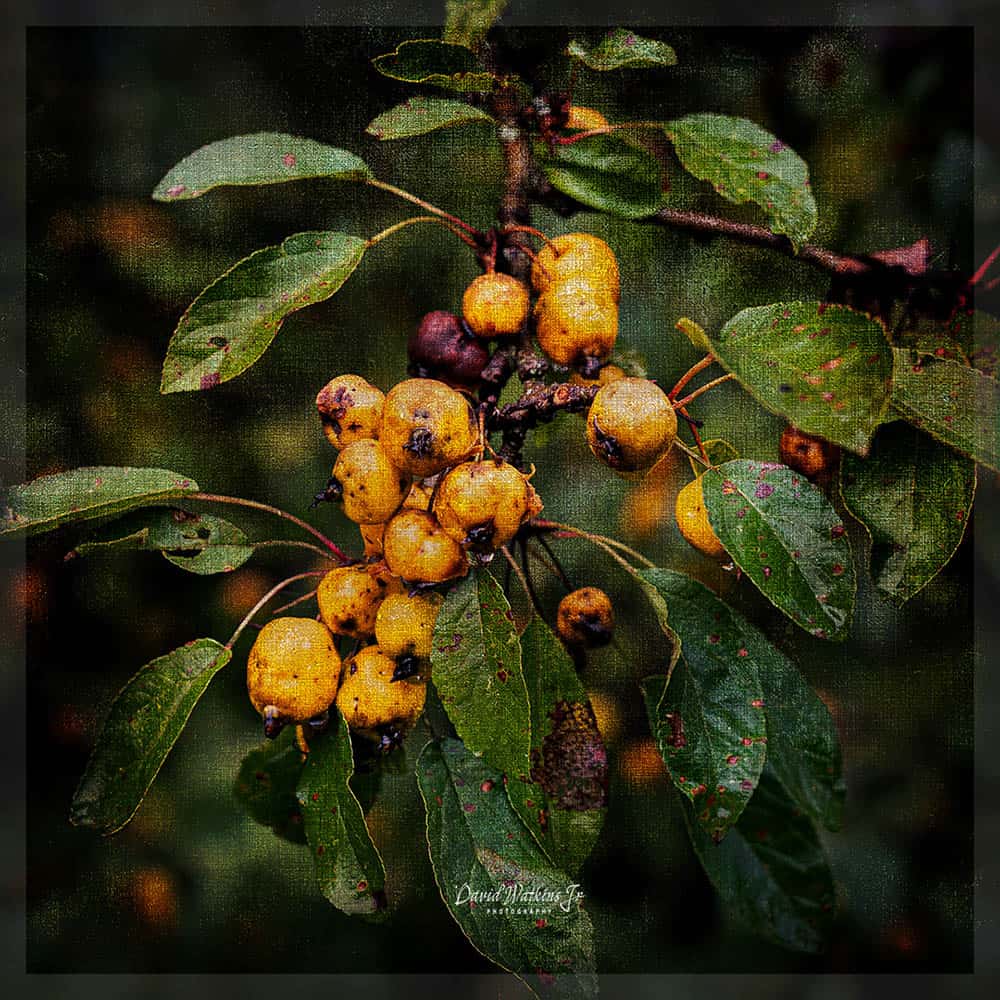
Decline and Decay

This image is one of several from a recent online slide show on the gallery website. It is also in my new book: “In The Style Of” available in the fall of 2020. The images in this series are based on creating the look and “style” of the great 16th and 17th Century floral and botanical painters. Most featured dark backgrounds and textures as part of their work. My approach is to use contemporary editing and processing software to emulate, but not imitate the look of those early paintings in a more contemporary manner.

Acadia Natural Abstracts